“acetic acid” search results (200)

Coffee beans are processed in several ways, which is the best way
Brazilian semi-sun-natural pectin removal: Brazil used to use the sun method in the past, the quality is very poor, so that Brazil Yu is synonymous with medium and low quality. However, in order to improve the quality and reverse the image of the world's largest coffee producing country, the quality revolution was carried out in the 1990s, and the semi-sun method, which is unique in the world, was vigorously promoted. Brazilian coffee fields are endless, mostly harvested mechanically to meet the needs of
2016-08-06 coffee beans processing methods introduction coffee several ways which best
General knowledge of Fine Coffee Acid in roasted coffee
There are mainly the following kinds of acids in roasted coffee: formic acid is the most in shallow roasting, and acetic acid decreases gradually with the deepening of deep roasting. With the deepening of deep baking, pyruvate and baking degree independent lactic acid and baking degree independent malic acid are the most, while citric acid decreases with the deepening of deep roasting.
2014-12-17 Boutique coffee common sense baking good medium
The way of picking beans from Coffee Fruit the processing of Coffee Cherry
The beans are sweeter when the coffee is picked after it is red and ripe. If coffee farmers in order to save trouble, no matter whether the coffee fruit is ripe or not, picking it together will make the coffee sour and astringent, so the fine coffee must choose the ripe red fruit. Distinguish between floating beans and sunken beans: coffee fruits picked from coffee fields should not be mistaken and must be sent to the processing plant on the same day. Immature
2015-03-27 Coffee beans way cherry processing process
There are mainly several kinds of acids in roasted coffee.
Formic acid is the most in shallow baking, and acetic acid is the most in shallow baking with the deepening of deep baking. with the deepening of deep baking, pyruvate and baking degree-independent lactic acid and baking degree-independent malic acid are the most in shallow baking, and citric acid is the most in shallow baking with the deepening of deep baking.
2015-03-25 Baking coffee medium acid there should be the following several kinds formic acid light
Coffee beans roasting common sense acid in roasted coffee
Formic acid is the most abundant in light roast coffee, decreasing gradually with the depth of roast. Acetic acid is the most abundant in light roast coffee, decreasing gradually with the depth of roast. Pyruvic acid is independent of roast degree. Lactic acid and malic acid are independent of roast degree. Citric acid is the most abundant in light roast coffee, decreasing gradually with the depth of roast coffee
2015-05-12 coffee beans roast common sense good coffee medium
General knowledge of Fine Coffee explain the way to get beans from Coffee
The beans are sweeter when the coffee is picked after it is red and ripe. If coffee farmers in order to save trouble, no matter whether the coffee fruit is ripe or not, picking it together will make the coffee sour and astringent, so the fine coffee must choose the ripe red fruit. Distinguish between floating beans and sunken beans: coffee fruits picked from coffee fields should not be mistaken and must be sent to the processing plant on the same day. Immature
2015-05-15 Boutique coffee common sense detailed explanation extraction of beans way
Basic knowledge of Fine Coffee the way of picking beans from Coffee Cherry
The beans are sweeter when the coffee is picked after it is red and ripe. If coffee farmers in order to save trouble, no matter whether the coffee fruit is ripe or not, picking it together will make the coffee sour and astringent, so the fine coffee must choose the ripe red fruit. Distinguish between floating beans and sunken beans: coffee fruits picked from coffee fields should not be mistaken and must be sent to the processing plant on the same day. Immature
2014-12-19 Boutique coffee basics common sense cherries beans way red ripe
Introduction to the treatment methods and methods of coffee beans there are several treatment methods of coffee beans
Pulped-natural, also known as honey treatment (Miel Process in Spanish), is said to refer to the process of making raw beans that are sun-dried with mucous membranes. The honey treatment process is vulnerable to pollution and mildew, so it needs to be closely watched throughout the process, constantly turning, and speeding up drying, so as to avoid bad fermentation flavor. Its advantage is that it can best preserve the original sweetness of the ripe fruit of coffee.
2016-07-18 Coffee beans treatment methods introduction several sun pulped-n
Delong coffee machine descaling step coffee machine cleaning process China coffee net automatic coffee machine
First of all, add clear water to the water tank, dissolve the acetic acid solvent in the water, and then adjust its function to the effluent, then remove the filter and connect the outflow water to the container, which is to clean the coffee pipe, and then let him stay in the tank for a period of time and wash it with clean water. Of course, the storage box of coffee grounds should be washed upside down. If the extraction part of the coffee machine
2016-04-14 Delong coffee machine descaling step cleaning process China coffee fully automatic first
Coffee roasting technology roasting determines coffee taste
Generally speaking, each coffee cherry contains two raw beans, and the fragrance is still hidden, waiting to be discovered. In raw beans, it contains a lot of chloric acid. As the baking process, chloric acid will gradually disappear, releasing familiar and pleasant fruit acid-such as acetic acid, citric acid, malic acid in wine. Baking is just right, it can present these beautiful sour taste moderately; on the contrary,
2014-11-14 Coffee knowledge coffee roasting coffee taste
The red wine treatment of coffee beans can also be called quasi-red wine treatment.
Can you think of the relationship between coffee and red wine? I'm sure you've heard of the traditional coffee making process, but how much do you know about coffee processed with red wine? Let's take a look at it next. The red wine treatment of coffee beans, also known as red wine treatment, is inspired by the brewing technology of red wine. At present, only eight estates in Colombia have successfully adopted the
2015-10-22 Coffee beans red wine processing can be called coffee can think of them relationships biography
Several acids in roasted coffee
There are mainly the following kinds of acids in roasted coffee-Zheng Wei (Italian Coffee University). According to the first edition of the chemistry of quality, there are mainly the following acids in roasted coffee: formic acid is the most in shallow roasting, and acetic acid decreases with the deepening of deep roasting, and decreases with the deepening of deep roasting.
2014-12-09 Coffee roasting knowledge good medium several kinds roast coffee
Several acids in roasted coffee
There are mainly the following kinds of acids in roasted coffee-Zheng Wei (Italian Coffee University). According to the first edition of the chemistry of quality, there are mainly the following acids in roasted coffee: formic acid is the most in shallow roasting, and acetic acid decreases with the deepening of deep roasting, and decreases with the deepening of deep roasting.
2015-05-28 Roast good coffee medium several kinds roast sour
Coffee basics several acids in roasted coffee
There are mainly the following kinds of acids in roasted coffee-Zheng Wei (Italian Coffee University). According to the first edition of the chemistry of quality, there are mainly the following acids in roasted coffee: formic acid is the most in shallow roasting, and acetic acid decreases with the deepening of deep roasting, and decreases with the deepening of deep roasting.
2014-11-14 Coffee knowledge coffee basics coffee roasting caffeic acid
Any of several acids in roasted coffee.
There are mainly the following kinds of acids in roasted coffee-Zheng Wei (Italian Coffee University). According to the first edition of the chemistry of quality, there are mainly the following acids in roasted coffee: formic acid is the most in shallow roasting, and acetic acid decreases with the deepening of deep roasting, and decreases with the deepening of deep roasting.
2015-02-11 Coffee ingredients roasting good medium several roasted coffee
Any of several acids in roasted coffee.
There are mainly the following kinds of acids in roasted coffee-Zheng Wei (Italian Coffee University). According to the first edition of the chemistry of quality, there are mainly the following acids in roasted coffee: formic acid is the most in shallow roasting, and acetic acid decreases with the deepening of deep roasting, and decreases with the deepening of deep roasting.
2015-06-09 Coffee beans roasted OK Coffee medium several
How to treat coffee beans
From: Eagle Health 2014-09-28 21:10:56 1. Sunning method--- Depending on the weather, it takes about two to four weeks to reduce the moisture content of the coffee beans in the fruit to 12%.
2015-11-03 coffee green beans processing method coffee beans way
The treatment method of half-sun-dried coffee and raw beans
Brazilian half-sun-natural removal of pectin: Brazil used to use the sun method in the past, the quality varies greatly, so that Brazil Yu is synonymous with middle and lower quality. However, in order to improve its quality and reverse its image, the world's largest coffee producer carried out a quality revolution in the 1990s and vigorously promoted the global half-sun method. Brazilian coffee fields are endless and are mostly harvested mechanically to conform to the classics.
2016-07-06 Sun drying coffee raw beans treatment methods
There are mainly several kinds of acids in roasted coffee.
There are mainly the following kinds of acids in roasted coffee-Zheng Wei (Italian Coffee University). According to the first edition of the chemistry of quality, there are mainly the following acids in roasted coffee: formic acid is the most in shallow roasting, and acetic acid decreases with the deepening of deep roasting, and decreases with the deepening of deep roasting.
2015-09-14 Roast OK Coffee medium Acid Master there should be the following several kinds bake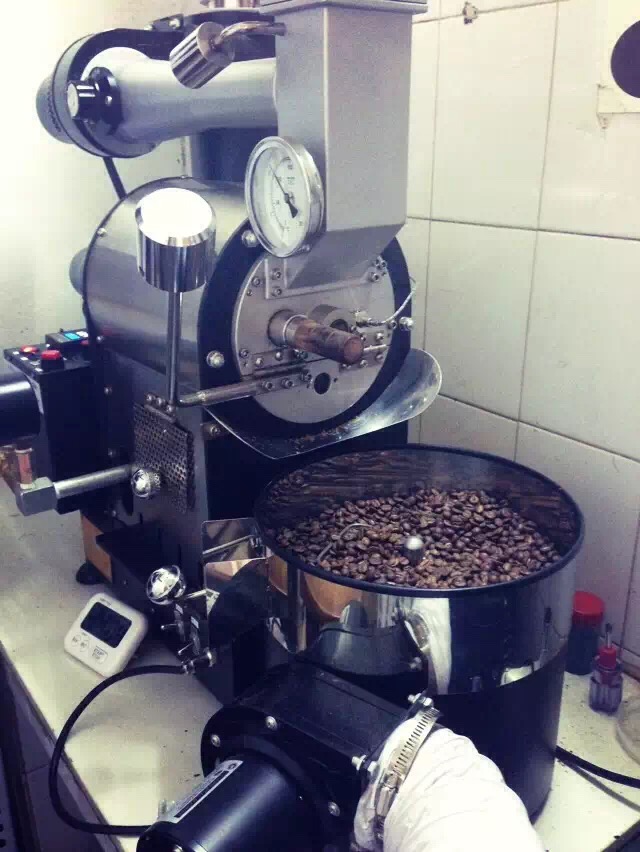
Briefly introduce the purpose and method of baking.
Generally speaking, each coffee cherry contains two raw beans, and the fragrance is still hidden, waiting to be discovered. In raw beans, it contains a lot of chloric acid. As the baking process, chloric acid will gradually disappear, releasing familiar and pleasant fruit acid-such as acetic acid, citric acid, malic acid in wine. Baking is just right to present these beautiful sour tastes in moderation; vice versa
2015-11-18 Simple introduction baking purpose method general each coffee cherry contains